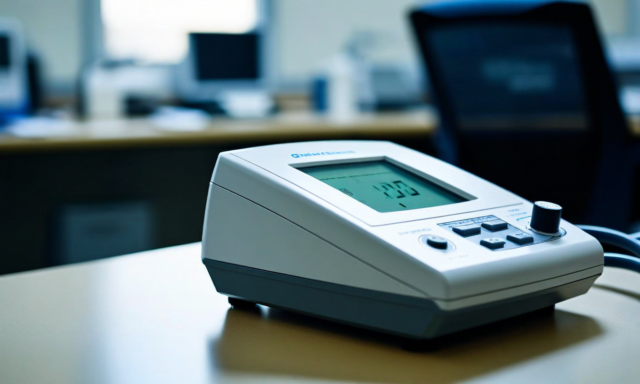
Point-of-Care Blood Testing for Companion Animals: Speed vs. Laboratory Accuracy
Point-of-care analyzers deliver results in minutes, but analytical precision gaps matter when decisions hinge on values near clinical thresholds. Understanding when speed helps and when precision matters more produces better patient outcomes.
Read article
Biomarker Panels in Annual Wellness Visits: What to Add and Why
Annual wellness visits are the highest-value opportunity in companion animal medicine for early disease detection. Adding targeted biomarkers beyond the standard panel changes what you find and how early you find it.
Read article
MetaDx Lab Expands Canine Cancer Screening Panel with Four New Biomarkers
Our neoplasia screening panel now includes four additional biomarker signatures, improving sensitivity for early-stage detection in high-risk breeds. Onboarding is open for partner clinics in the Pacific Northwest and Texas.
Read article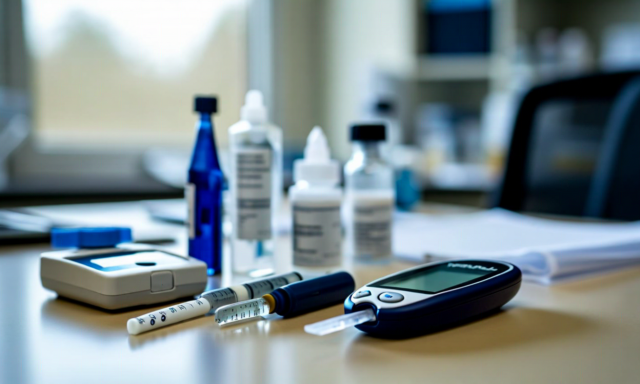
Canine Diabetes: Why Fructosamine Beats Spot Glucose for Monitoring
Spot glucose measurements in diabetic dogs are highly sensitive to stress, feeding time, and handling artifacts. Fructosamine reflects average glycemic control over the preceding 2 to 3 weeks and is the more reliable monitoring marker.
Read article
Feline Hyperthyroidism Masking Concurrent CKD: A Diagnostic Problem
Treating hyperthyroidism in cats sometimes unmasks underlying kidney disease. This is not a rare edge case — it affects roughly 40% of hyperthyroid cats over 10 years old and requires a specific pre-treatment diagnostic protocol.
Read article
IBD vs Food-Responsive Enteropathy: Why the Distinction Matters for Treatment
Prescribing immunosuppressants for a dog that would respond to a hydrolyzed protein diet is a common and avoidable clinical error. Better biomarker panels and a structured diagnostic ladder reduce this specific mistake significantly.
Read article
Machine Learning in Veterinary Diagnostics: Where the Models Actually Work
Not every veterinary problem benefits from a machine learning solution. An honest assessment of where AI-driven diagnostics add genuine clinical value — and where they do not — across high-dimensional biomarker panels, trend analysis, and breed risk stratification.
Read article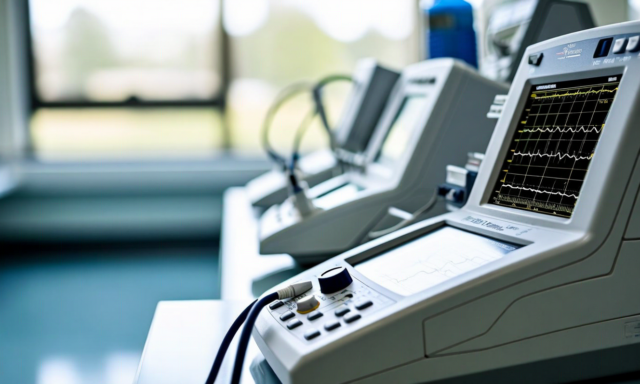
NT-proBNP in Dobermanns: Our Validation Study Results
A 6-month prospective study across 8 partner clinics examined cardiac biomarker sensitivity in a breed with unusually high DCM prevalence. The data shows NT-proBNP performs differently in Dobermanns than reference range tables suggest.
Read article
What Euthyroid Sick Syndrome Means for Canine Thyroid Testing
Any systemic illness suppresses total T4, causing thyroid panels taken during unrelated illness to appear hypothyroid when they are not. Knowing when to defer thyroid testing prevents a significant source of misdiagnosis.
Read article
Why SDMA Alone Is Not Enough for CKD Stage 1 Detection
SDMA changed feline nephrology. But 3 years of clinical data show it misses roughly 22% of Stage 1 cases when used without concurrent cystatin-C measurement. Here is what the multi-marker approach looks like in practice.
Read article